Heritage Stories
The roots run deep at Patricia Beach. Discover the stories of those who came before and built the community we cherish today.
"To understand where we're going, we must first honor where we've been."— Beaconia Historical Society, 1978
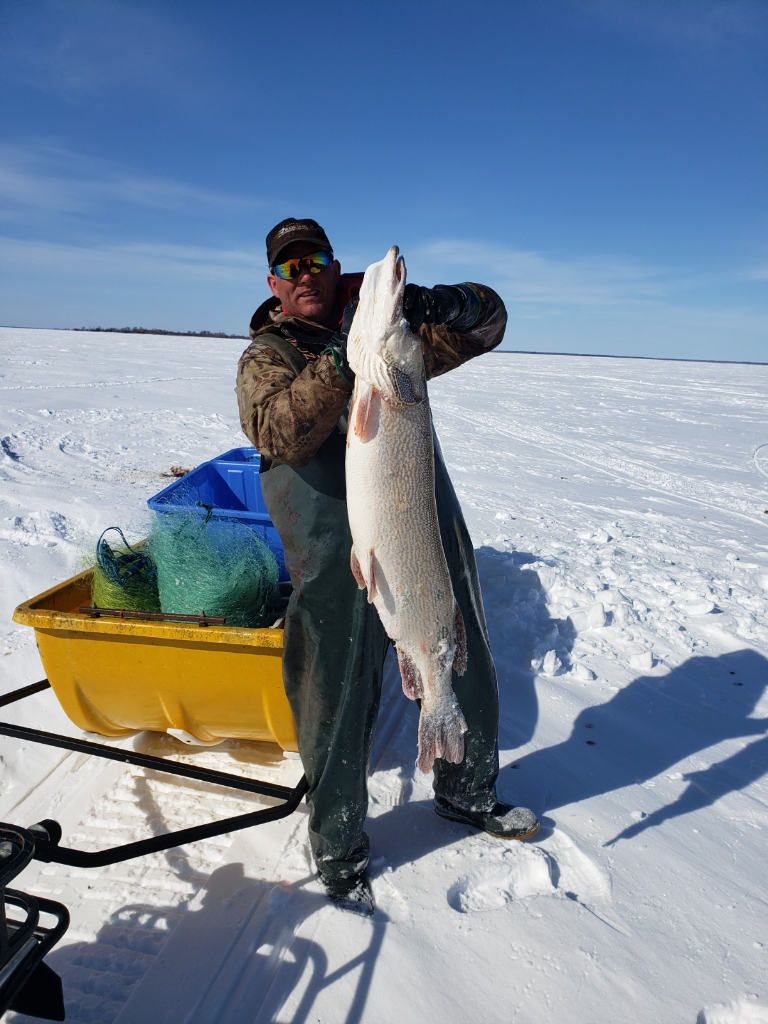
Indigenous Roots
Long before European settlement, this channel served as a traditional Métis seasonal fishing station, renowned for its abundance of gold-eye and pickerel. Families would return year after year to harvest the lake's bounty.
The fishing grounds were carefully managed, with knowledge passed down through generations about the best times to net, the sacred respect owed to the water, and the importance of taking only what was needed.
Today, Sandy's Chip Stand continues this 150-year-old culinary tradition. The fresh-caught pickerel served at the stand honors the Indigenous fishing legacy that made this shore a gathering place for communities across generations.
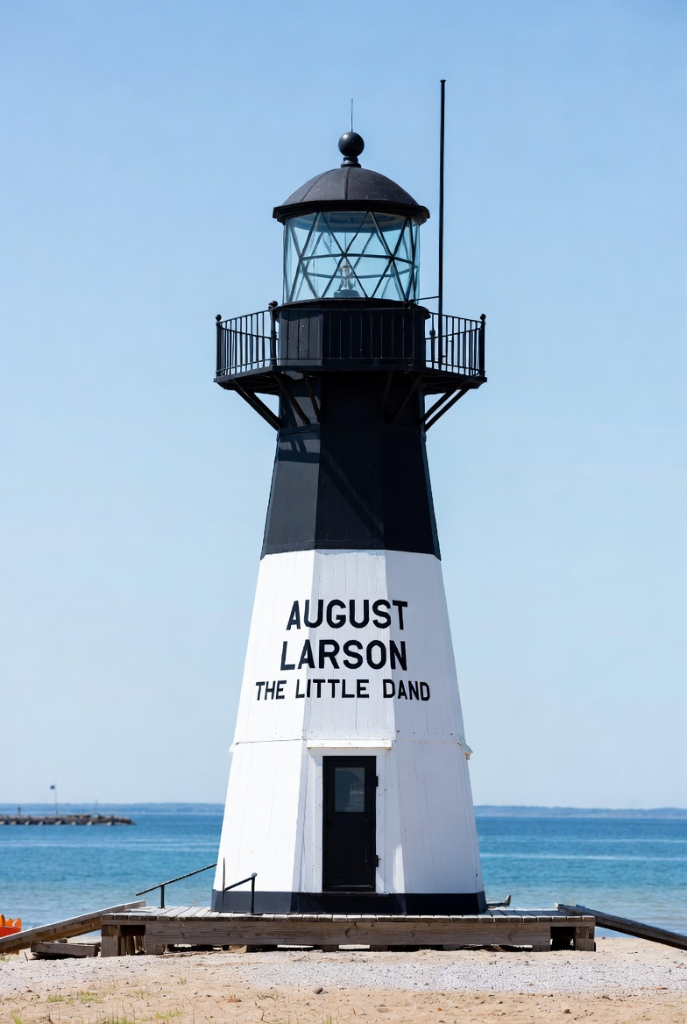
The Beacon
In 1896, August "The Little Dane" Larson established the first light on this shore using fish oil and an ox-drawn barge. But his impact extended far beyond maritime safety—Larson was a key supplier of timber for the early Winnipeg building boom.
His ox-drawn wood barge transported lumber across Lake Winnipeg and down the Red River, delivering the very foundations upon which Winnipeg was built. The sand of Beaconia became intrinsically linked to the city's growth.
Larson's dual legacy as both lighthouse keeper and lumber baron made him indispensable to the region's development. The beacon burned continuously for over two decades, a symbol of both guidance and industry that shaped southern Manitoba.
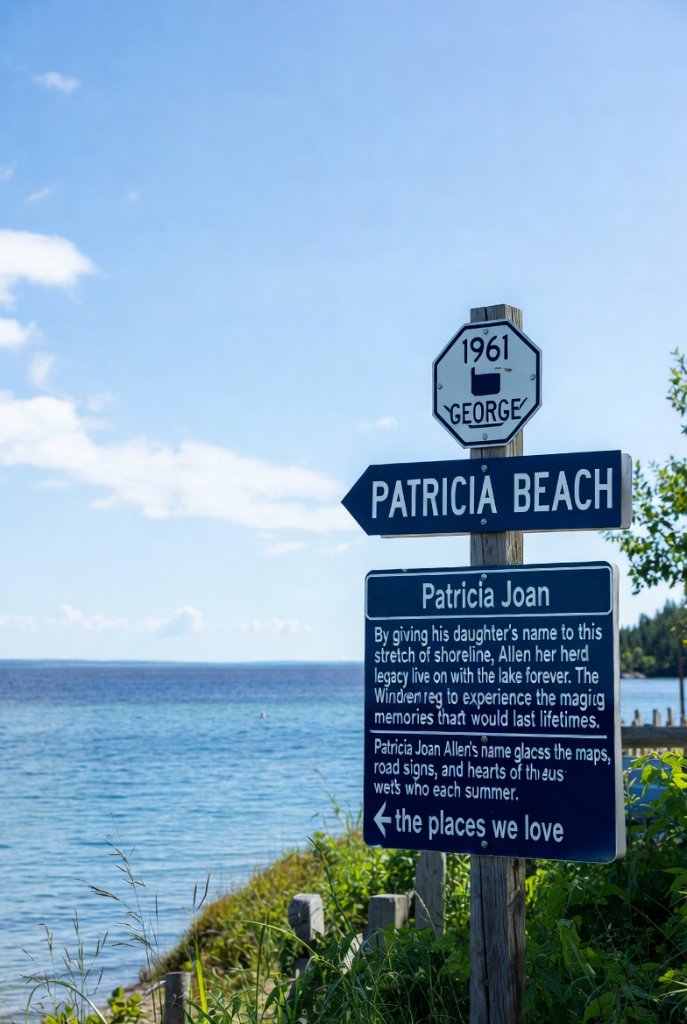
The Name
Patricia Beach was named in 1961 by George Allen in honor of his daughter, Patricia Joan. By giving his daughter's name to this stretch of shoreline, Allen ensured her legacy would live on with the lake forever.
The naming reflected the deep personal connection families felt to these shores. For generations, parents had brought their children here to experience the magic of Lake Winnipeg, creating memories that would last lifetimes.
Patricia Joan Allen's name now graces the maps, road signs, and hearts of thousands who visit each summer. It stands as a reminder that the places we love are inseparable from the people we cherish.
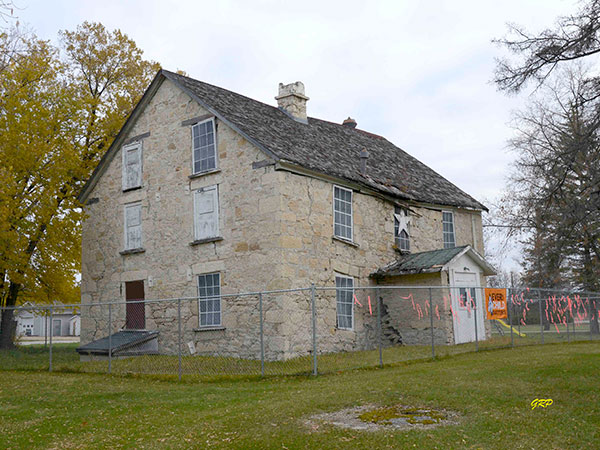
The School
Beginning in 1962, St. John's Cathedral Boys' School transformed these dunes into the most demanding outdoor school in North America. Thousands of boys were tested on the Red River and Lake Winnipeg, learning resilience, leadership, and respect for the wilderness.
The program was rigorous by design. Students learned to navigate by the stars, paddle through violent storms, and survive with minimal equipment. The philosophy was simple: comfort breeds complacency, but adversity builds character.
Alumni of the school carry those lessons throughout their lives. Many return to Patricia Beach decades later, bringing their own children to experience the same shores that shaped them as young men. The school may be gone, but its legacy of excellence endures.
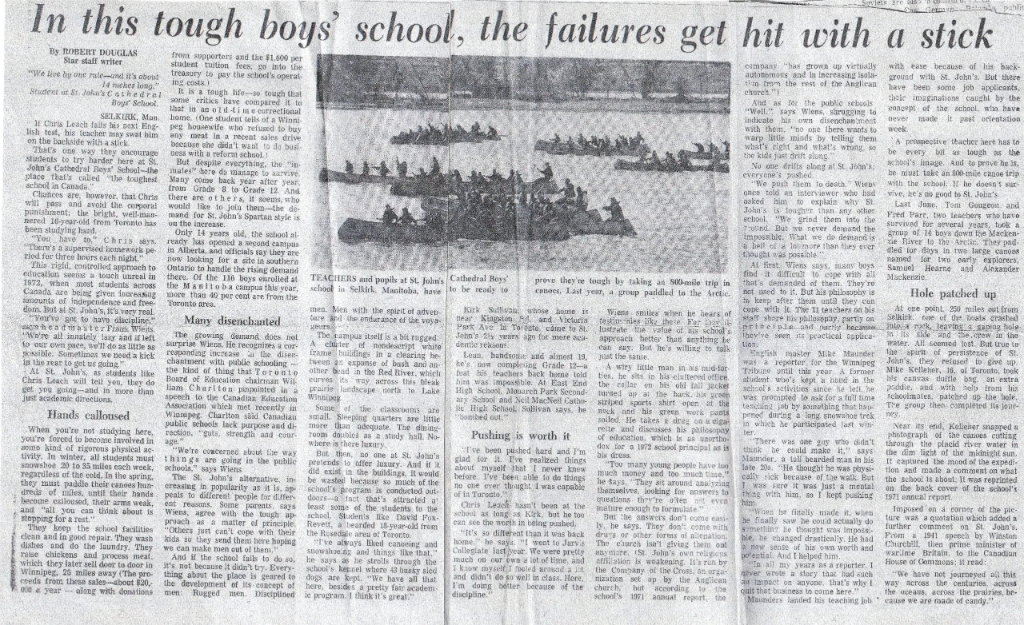
As Seen on the NFB
"The New Boys" (1974) is a National Film Board of Canada documentary that follows boys aged 13–15 through the grueling initiation into St. John's Cathedral Boys' School — paddling 500 km of Manitoba wilderness in just two weeks.
Directed by John N. Smith, the film is a raw and intimate portrait of resilience, brotherhood, and the transformative power of the Canadian wilderness. It remains one of the most visceral documents of life on Lake Winnipeg ever committed to film.
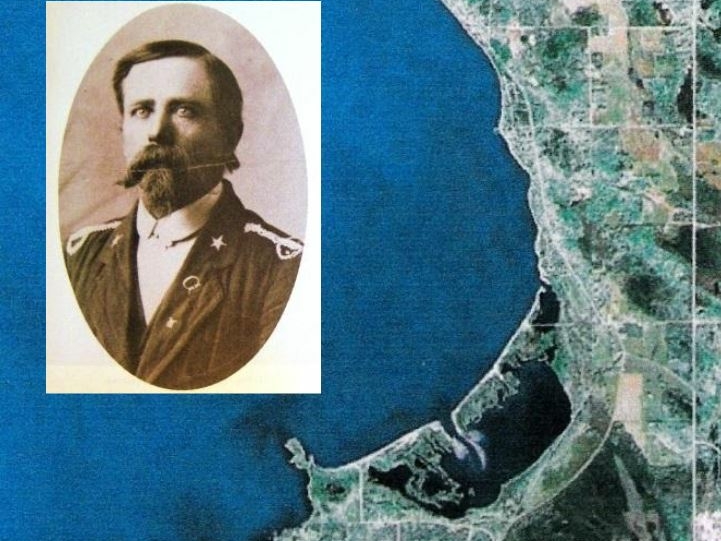
The Naming of Beaconia
Beaconia was named for its role as a literal beacon. Historically, this shore served as a crucial navigation landmark for Métis and settler families traveling the southeastern waters of Lake Winnipeg.
The distinctive features of the coastline made it a natural reference point for those journeying across the vast lake. When European settlers began establishing communities in the region, they recognized the same significance that Indigenous travelers had known for generations.
Today, that legacy of guidance and welcome continues. Patricia Beach remains a place where people come to find their bearings in the great expanse of Lake Winnipeg.
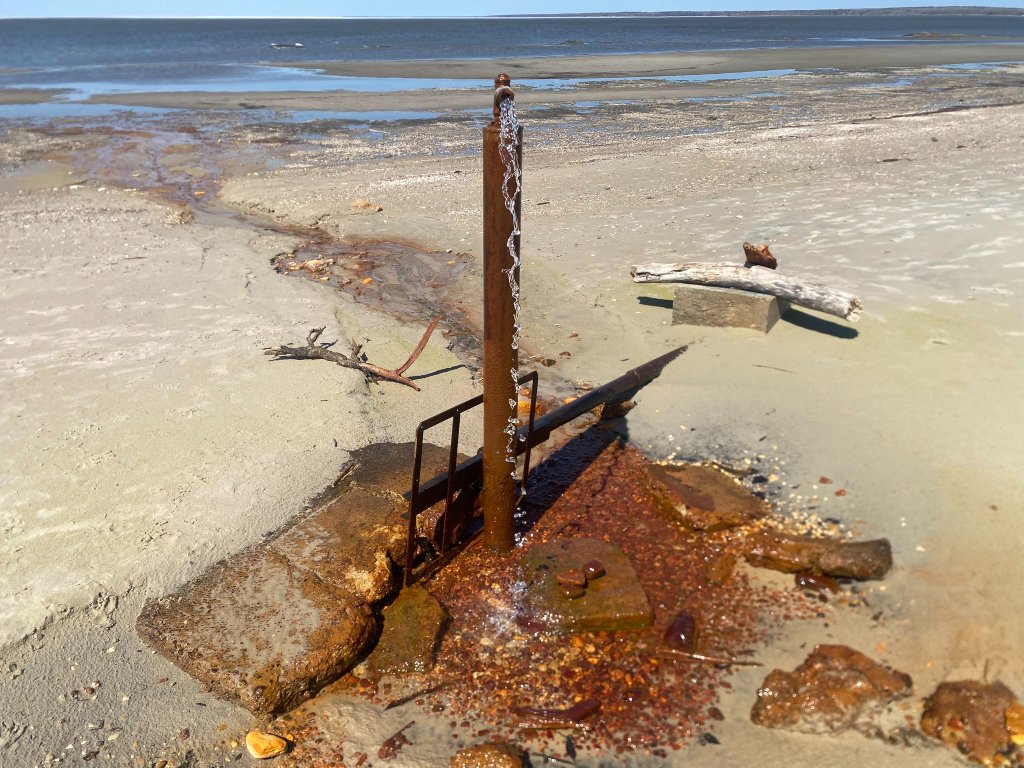
The 5°C Artesian Plunge
A natural engineering marvel, the Ever-Flowing Well provides constant 5°C artesian water. It offers a breathtaking contrast to +30°C summer days and serves as a site for ritual purification and cold-water therapy.
The artesian spring has flowed continuously for over a century, emerging from deep underground aquifers. Indigenous peoples considered this spring sacred, using its waters in ceremonies for generations before European settlement.
Today, visitors continue the tradition of drinking from the well for good health, experiencing the shocking yet invigorating sensation of ice-cold artesian water on a scorching summer day.
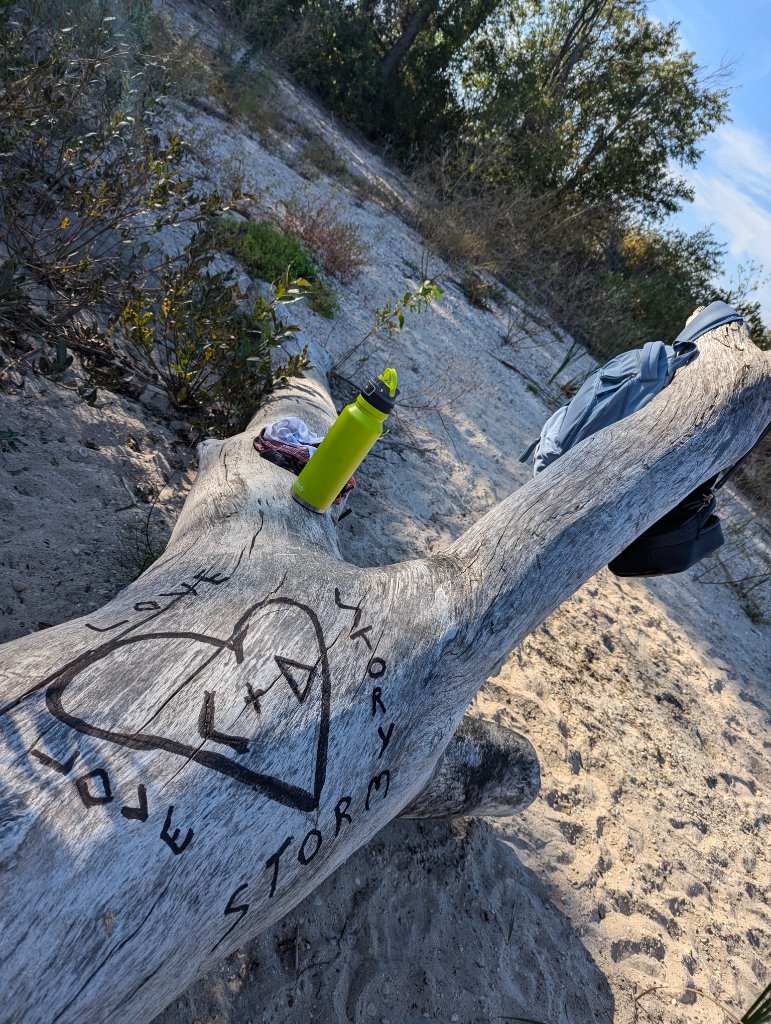
The Love Storm Log
An ergonomically shaped driftwood log, naturally engraved with 'Love Story / Love Storm,' offers a therapeutic platform for meditation near the portal.
This massive log washed ashore during the legendary storm of 2011—the same night that forever changed the beach. Carved with initials of lovers over the years, it has become a living testament to beach romance and connection.
Locals believe the log carries the spirit of resilience, a reminder that even the most powerful storms can bring gifts. It serves as a gathering place for contemplation, yoga, and quiet moments of reflection by the water.
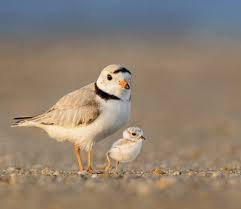
The Piping Plovers
Patricia Beach is one of the few remaining nesting grounds for the endangered Piping Plover, a small shorebird that has become a symbol of the beach's commitment to conservation.
These tiny birds, with their distinctive orange legs and melodic calls, choose our shores year after year to raise their young. Their presence is a testament to the pristine quality of our beach ecosystem.
Conservation efforts here have become a point of pride for the community. Protecting the plovers means protecting the natural heritage that makes Patricia Beach special—a living reminder that we are merely stewards of this land, not its masters.
Watch the NFB Documentary: The New Boys
St. John's Cathedral Boys' School sent thousands of students on a grueling 350-mile journey through these very waters—from Winnipeg down the Red River to Lake Winnipeg, and back again. The expedition tested every ounce of their strength, resilience, and character.
This 1974 National Film Board of Canada documentary follows new students at St. John's Cathedral Boys' School – known as the toughest school in North America.
Key Moments in Our History
Métis fishing station
The Little Dane's Beacon
Patricia Beach named
St. John's School established
Piping Plover sanctuary
Help Preserve Our Heritage
Our heritage sites require ongoing care and protection. Join the effort to ensure these stories can be told for generations to come.
You Are Part of This History
Have a memory, legend, or local lore from Patricia Beach? Submit it below and help us preserve the living history of this shore.
Share Your Story
Have a tale from Patricia Beach? A memory, legend, or piece of history? Your story could become part of our living archive.